
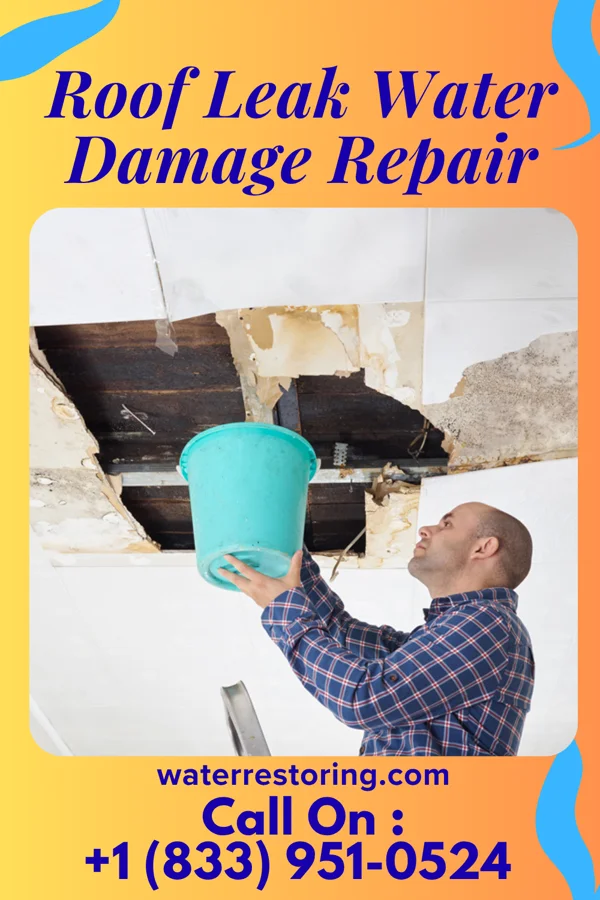
Roof Leak Damage in Bloomingdale
Property owners across Bloomingdale call certified water damage restoration when Bloomingdale, Georgia experiences frequent thunderstorms and heavy rainfall, especially during the late spring and early summer months. These intense downpours can quickly overwhelm roofing systems, leading to leaks and water damage. The region's humid climate also contributes to prolonged moisture exposure, increasing the risk of structural issues.. A close second is The area is prone to occasional tropical storm remnants and hurricane-force winds, which can cause roof damage through wind-driven rain and debris impact. Seasonal temperature fluctuations can also lead to roofing material expansion and contraction, creating potential entry points for water..
The combination of high humidity, frequent thunderstorms, and occasional tropical weather systems in Bloomingdale leads to significant roof and water damage issues. Moisture retention in the air and on surfaces increases the likelihood of mold growth and long-term structural damage if leaks are not addressed promptly.
The combination of high humidity, frequent thunderstorms, and occasional tropical weather systems in Bloomingdale leads to significant roof and water damage issues. Moisture retention in the air and on surfaces increases the likelihood of mold growth and long-term structural damage if leaks are not addressed promptly. The dominant local driver is Bloomingdale, Georgia experiences frequent thunderstorms and heavy rainfall, especially during the late spring and early summer months. These intense downpours can quickly overwhelm roofing systems, leading to leaks and water damage. The region's humid climate also contributes to prolonged moisture exposure, increasing the risk of structural issues., with The area is prone to occasional tropical storm remnants and hurricane-force winds, which can cause roof damage through wind-driven rain and debris impact. Seasonal temperature fluctuations can also lead to roofing material expansion and contraction, creating potential entry points for water. showing up as the next most common cause. Damage builds in stages. Spread. Absorption. Microbial growth. Structural compromise. Every stage you pass through adds to the final bill.